
Artificial intelligence is reshaping the way businesses operate – accelerating decisions, automating workflows, and unlocking new efficiencies at every level. But behind the promise of AI lies a less-discussed reality: the technology driving it requires an enormous amount of specialized hardware, and that hardware doesn’t last forever.
For business leaders, this creates a challenge that’s easy to overlook until it becomes urgent.
The Rapid Refresh Cycle of AI Infrastructure
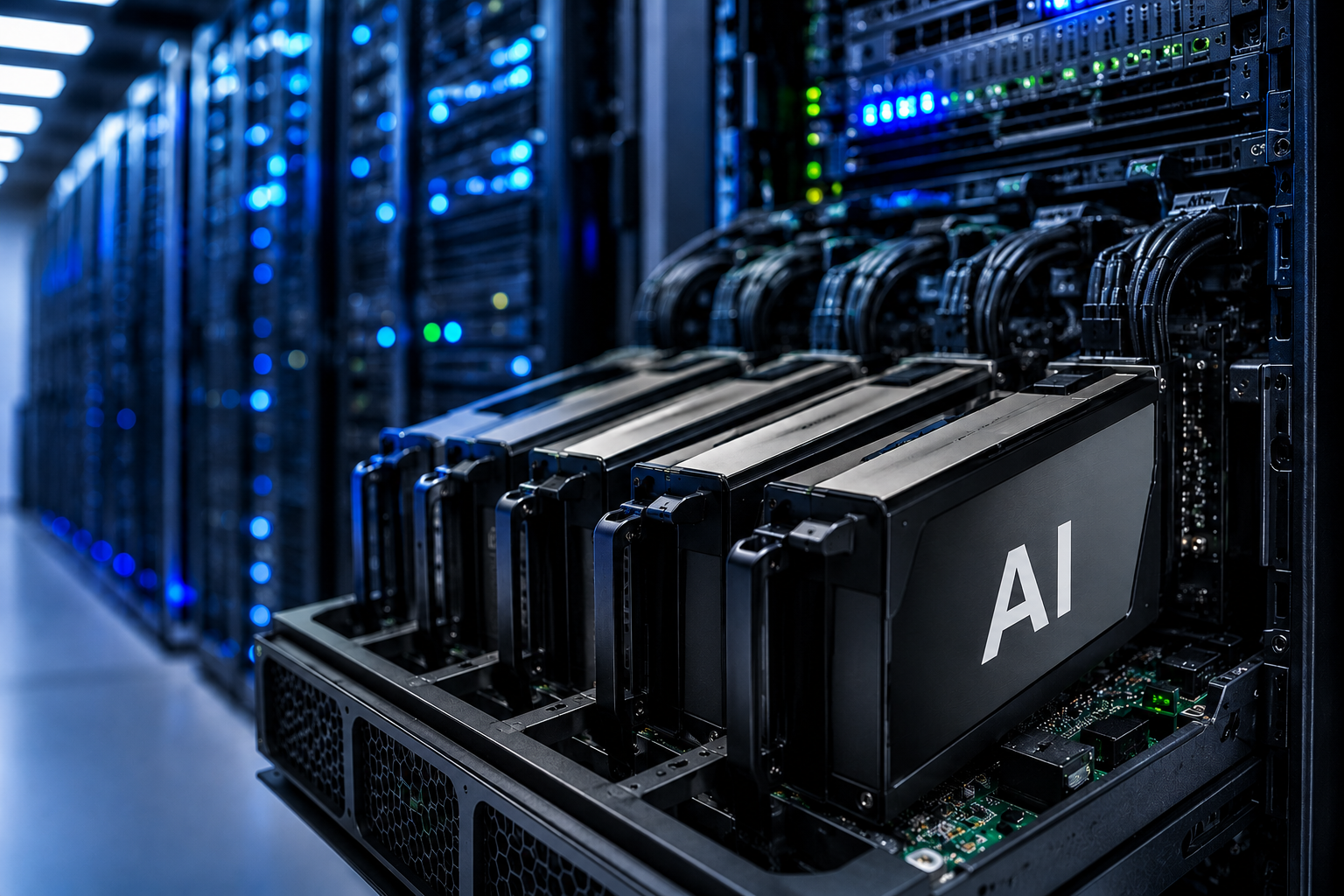
AI workloads demand cutting-edge GPUs, high-capacity servers, and dense data center configurations. Unlike traditional IT equipment – which many organizations refresh on a five-to-seven-year cycle – AI hardware often becomes obsolete in a fraction of that time. Chip generations advance quickly, power requirements evolve, and the competitive pressure to stay current is intense.
In practice, that means organizations are retiring more hardware, more frequently, than ever before.
Why Proper Disposition Isn’t Optional
End-of-life AI hardware presents risks that go well beyond e-waste. These assets routinely contain sensitive data – training datasets, model weights, proprietary configurations – stored on drives and memory that aren’t always wiped during decommission. A single mishandled device can expose an organization to significant legal, financial, and reputational harm.
Regulatory pressure is also increasing. Industries like healthcare, finance, and education face strict data protection requirements, and regulators are paying closer attention to how organizations handle retired IT assets. “We didn’t know” is no longer an acceptable answer.
What Smart Organizations Are Doing Now
Leading companies are building ITAD (IT Asset Disposition) into their AI infrastructure plans from the start – not as an afterthought. That means establishing a certified chain-of-custody process, ensuring data destruction is documented and auditable, and partnering with a disposition provider that understands both the compliance landscape and the asset value that can be recovered.
Done right, ITAD isn’t just a risk mitigation measure. Responsible remarketing and recycling of end-of-life hardware can generate returns that offset the cost of new equipment and reduce environmental impact at the same time.
The Bottom Line
AI adoption is accelerating. The volume of hardware reaching end of life will accelerate with it. Organizations that treat disposition as a strategic function rather than a facilities problem will be better protected, better positioned, and better prepared for whatever comes next.
Castaway Technologies helps businesses navigate the full lifecycle of their IT assets, from secure data destruction to certified disposition and responsible recycling. Contact us to learn how we can build a compliant, cost-effective ITAD program for your organization.

